How to Apply for Djibouti e-Visa from Dominican Republic
Planning a trip from the Caribbean to the Horn of Africa? If you are a citizen of the Dominican Republic, obtaining a visa is a mandatory step before you can explore the volcanic landscapes and stunning coastlines of Djibouti. Since 2018, the traditional visa-on-arrival system has been largely replaced by a more efficient digital process, making the Djibouti e-Visa for Dominican Republic Citizens the preferred and more convenient option for travelers.
Can I get a visa on arrival in Djibouti?
Yes, most travelers can get a visa on arrival (VOA) in Djibouti for tourism or business. While Djibouti previously offered visas upon arrival for many nationalities, the government has transitioned almost exclusively to the e-Visa system. It is highly recommended that travelers from the Dominican Republic secure their e-Visa before departure. Arriving without a pre-approved electronic visa may lead to significant delays or even boarding denial by airlines.
How long does the Djibouti eVisa take?
Processing times vary depending on the urgency of your travel. When applying, you can typically choose from three tiers:
Standard Processing: Generally takes 4 to 7 business days. This is the most cost-effective option for those planning in advance.
Rush Processing: Usually completed within 3 to 5 business days.
Super Rush Processing: The fastest option, often delivering results in 2 to 4 business days.
Which documents are required for eVisa?
To ensure a smooth application and avoid rejection, gather the following documents before starting:
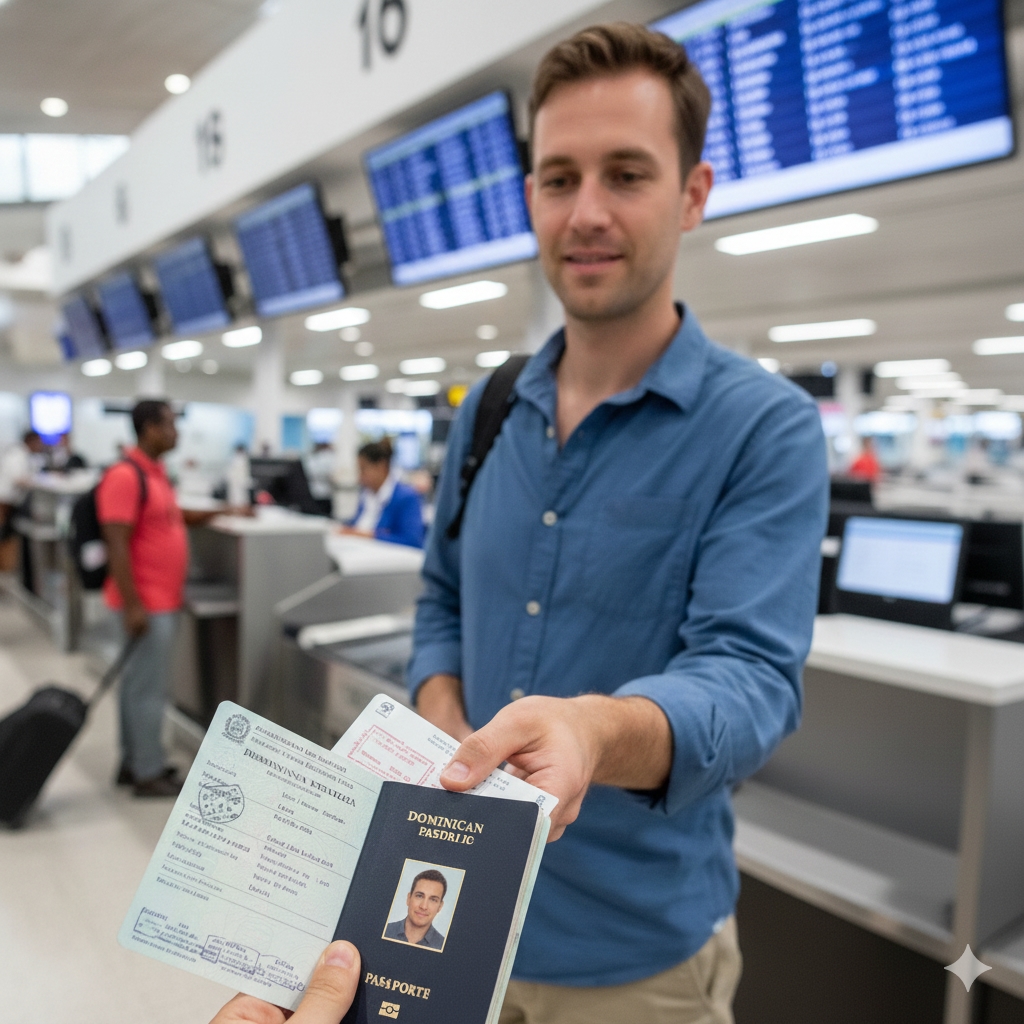
Valid Passport: A scanned copy of the bio-page. The passport must be valid for at least six months from your date of entry.
Passport Photo: A digital, color photograph with a plain white background.
Flight Reservation: Proof of your round-trip or onward flight tickets.
Accommodation Proof: A hotel reservation or an invitation letter from a host in Djibouti.
Invitation Letter (If applicable): Required for business or family visits.
How do I apply for an eVisa for Djibouti?
The application process is designed to be user-friendly and can be completed from the comfort of your home in the Dominican Republic. Follow these specific steps:
Fill the Online Form: Provide personal details, passport information, and travel dates.
Upload Digital Documents: You will need to attach a scanned copy of your passport and a recent photograph.
Pay the Fee: Use a credit or debit card to cover the visa and service costs.
Receive Approval: Once processed, the e-Visa is sent directly to your email address. You must print this document and carry it with you.
How to perform a Djibouti e-visa Application Status Check?
Once you have submitted your application and paid the fee, you can monitor its progress online. Checking your status ensures you are aware of any additional information requested by immigration authorities.
Steps to check your status:
Navigate to the Djibouti e-visa Application Status section on the official portal.
Provide your Application ID (received via email after submission) and your Passport Number.
Complete the Captcha verification.
Click on Check Status to see if your visa is "Pending," "Approved," or "Under Review."
What is Djibouti Urgent e-visa?
The Urgent or "Super Rush" e-Visa is a specialized service for travelers who need to depart on short notice. It prioritizes your application in the queue, ensuring that the background checks and document verifications are expedited. While this carries a higher service fee, the Djibouti Urgent e-Visa for Tourists is the safest route for emergency business trips or last-minute travel plans, offering speed and peace of mind.
Does Djibouti Allow Dual Citizenship?
Yes, Djibouti generally permits dual citizenship. Following major legal reforms in 2004 and the subsequent 2018 Civil Code, Djiboutian law allows its nationals to hold foreign citizenship without automatically losing their original nationality.
Acquisition of Nationality: Foreign nationals, including those from the Dominican Republic, who naturalize in Djibouti or marry a Djiboutian citizen (after the required residency or marriage period) are not typically required by Djiboutian law to renounce their birth citizenship.
The Presidential Exception: There is one major restriction: the President of the Republic of Djibouti is legally prohibited from holding any nationality other than Djiboutian.
Consistency in Travel: For travelers, it is vital to enter and exit Djibouti using the same passport that was used to apply for and link the e-Visa. Mismatched records can lead to significant delays at immigration.
What is the Djibouti eVisa validity & Duration?
The duration of your stay depends on the type of visa you select during the application:
Transit Visa: Valid for a stay of up to 14 days. Ideal for those stopping over before heading to another destination.
Tourism Visa: Allows for a stay of up to 30 days.
Family/Social Visit Visa: Typically granted for 30 days to visit relatives.
Business Visa: Valid for 30 days for meetings, conferences, or trade.
Is the service fee mandatory for Djibouti eVisa applications?
Yes, service fees are mandatory for Djibouti eVisa applications when using online platforms. The service fee covers the technical and professional management of your application, ensuring a higher success rate than solo submissions. Key benefits include:
Rejection Prevention: Professional review of bio-data and document formatting to eliminate common typos and technical errors.
Payment Reliability: Secure processing of international fees, bypassing frequent fraud flags between Caribbean banks and East African entities.
Expert Liaison: Direct monitoring of application status and the ability to resolve government bottlenecks on your behalf.
24/7 Global Support: Assistance tailored to the 7-hour time difference between Santo Domingo and Djibouti City.
How to Avoid Djibouti eVisa Application Delays?
Most delays are caused by avoidable human error. To ensure your visa arrives on time:
Check Expiry Dates: Ensure your passport does not expire within 6 months of your trip.
Clear Scans: Ensure the passport scan is not blurry and all text is legible.
Consistent Info: The name on your application must match your passport exactly (including middle names).
Apply Early: Even with "Super Rush" options, aim to apply at least 10 days before your flight.
What Djibouti Laws Should Tourists Know?
Respecting local customs and laws is vital for a safe trip. Djibouti is a predominantly Muslim country with conservative values.
Photography: It is strictly illegal to take photos of military installations, government buildings, or infrastructure (like bridges and ports).
Alcohol: Consumption is legal in licensed hotels and restaurants but being drunk in public is a punishable offense.
Dress Code: Visitors should dress modestly, especially when visiting public markets or religious sites.
Ramadan: If traveling during the holy month of Ramadan, avoid eating, drinking, or smoking in public during daylight hours.
Do Travel Agencies Charge More for e-Visa Applications?
When applying for an e-Visa, travelers often wonder whether using a travel agency or applying directly through the official government website is better. While travel agencies may charge higher fees, they provide several advantages compared to the self-application route:
Expert Guidance: Agencies help ensure all documents are correct, reducing the risk of rejection.
Error Correction: Mistakes can be fixed promptly, which is not possible with direct government submissions.
Real-Time Support: Applicants receive assistance during every step of the process.
Time-Saving: Agencies streamline the application process, saving valuable time.
Peace of Mind: Using a trusted agency minimizes stress, especially for first-time travelers.
Although the official website is cheaper, the additional support from a travel agency can make the slightly higher cost worthwhile for many travelers.
Can I withdraw cash easily in Djibouti City?
While Djibouti City serves as the country’s financial heart, the local economy operates primarily on cash transactions for everything from local markets to taxi fares. Travelers will find that while digital payment options are slowly emerging in high-end establishments, carrying physical currency remains a necessity for a stress-free visit. Navigating the ATM network requires an understanding of where these hubs are located and the specific types of currency they dispense.
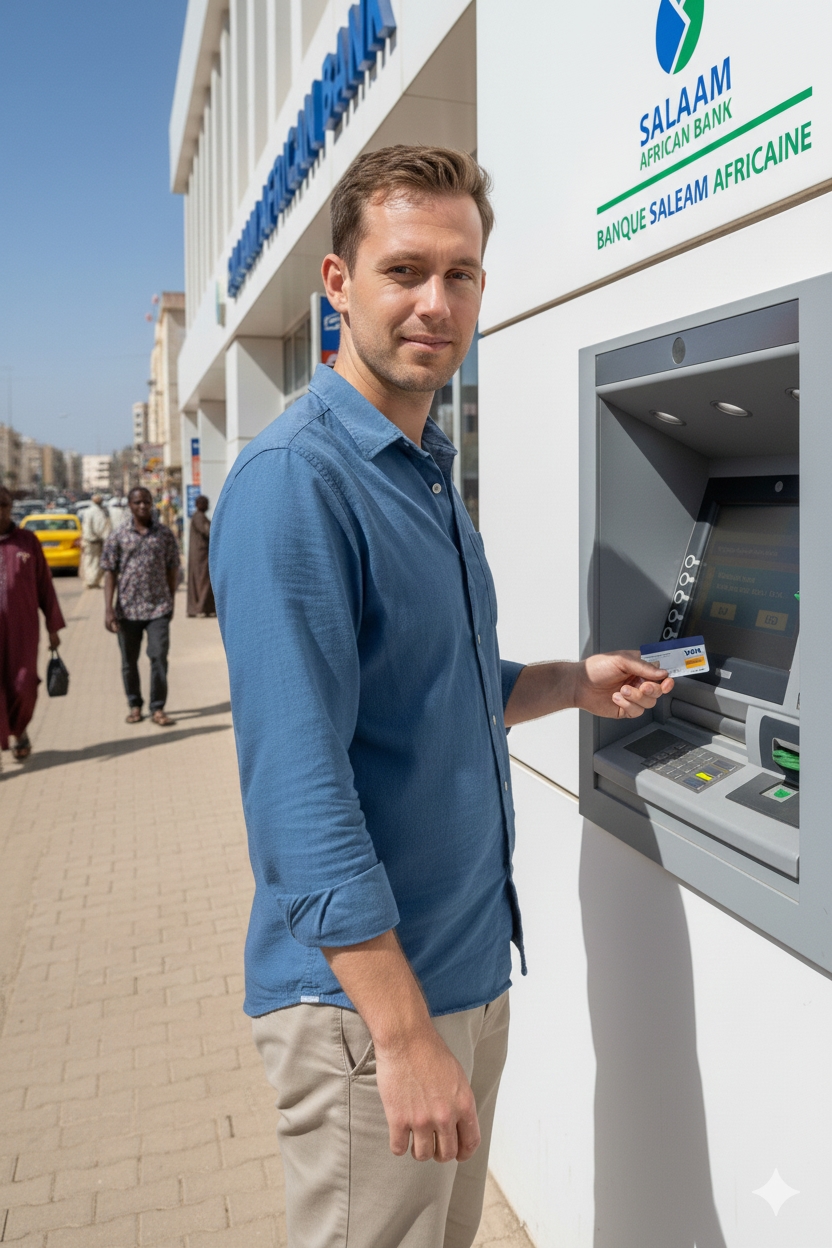
ATM Hubs: Most reliable ATMs are located within the capital, particularly at major banks like Salaam African Bank, Exim Bank, and CAC International Bank. Locations include the Head Offices at Place Lagarde and shopping centers like Bawadi Mall.
Dual Currency Withdrawal: A unique feature of some ATMs in Djibouti City is the ability to withdraw both Djiboutian Francs (DJF) and US Dollars (USD).
Network Acceptance:Visa is the most widely accepted international network at ATMs. Mastercard acceptance is growing but less consistent, and American Express is rarely supported outside high-end hotels.
Reliability Concerns: ATMs can occasionally run out of cash or experience technical downtime. It is a best practice to carry enough USD in cash as a backup.
Fees & Limits: Expect a local withdrawal fee in addition to what your Dominican bank may charge.
Conclusion:
Finalizing your travel plans from the Dominican Republic to Djibouti is an exciting milestone, and securing your e-Visa is the last major hurdle. By following the steps in this guide—from double-checking your passport validity to understanding the local customs—you are setting yourself up for a smooth and memorable journey. While the administrative process might seem technical, the reward is the chance to witness the unique geological wonders of Lake Assal and the vibrant culture of Djibouti City. Safe travels, and may your experience in the Horn of Africa be as enriching as it is adventurous!

Comments